Affordable Dryer Vent Cleaning West Palm Beach
Looking for professional West Palm Beach dryer vent cleaning experts? We ensure reliable, code‑compliant airflow through HEPA‑contained extraction, rotary brushing, and instrumented verification. You'll see faster drying times, minimized fire risk, and protected indoor air conditions in our coastal humidity. We thoroughly inspect run length, elbows, materials, and termination per NFPA 211/IMC, then record pre/post CFM, static pressure, temperature rise, and photos. We fix crushed flex, properly seal joints with UL foil tape, and verify damper function. See how we deliver measurable improvements next.
Critical Summary
- Professional dryer vent specialists working throughout West Palm Beach, improving safety from fires, interior air quality, and power efficiency according to NFPA 211 and manufacturing guidelines.
- Comprehensive cleaning: featuring rotary brushing, termination hood cleaning, HEPA negative-pressure capture, and UL-2158A standard repairs and sealing.
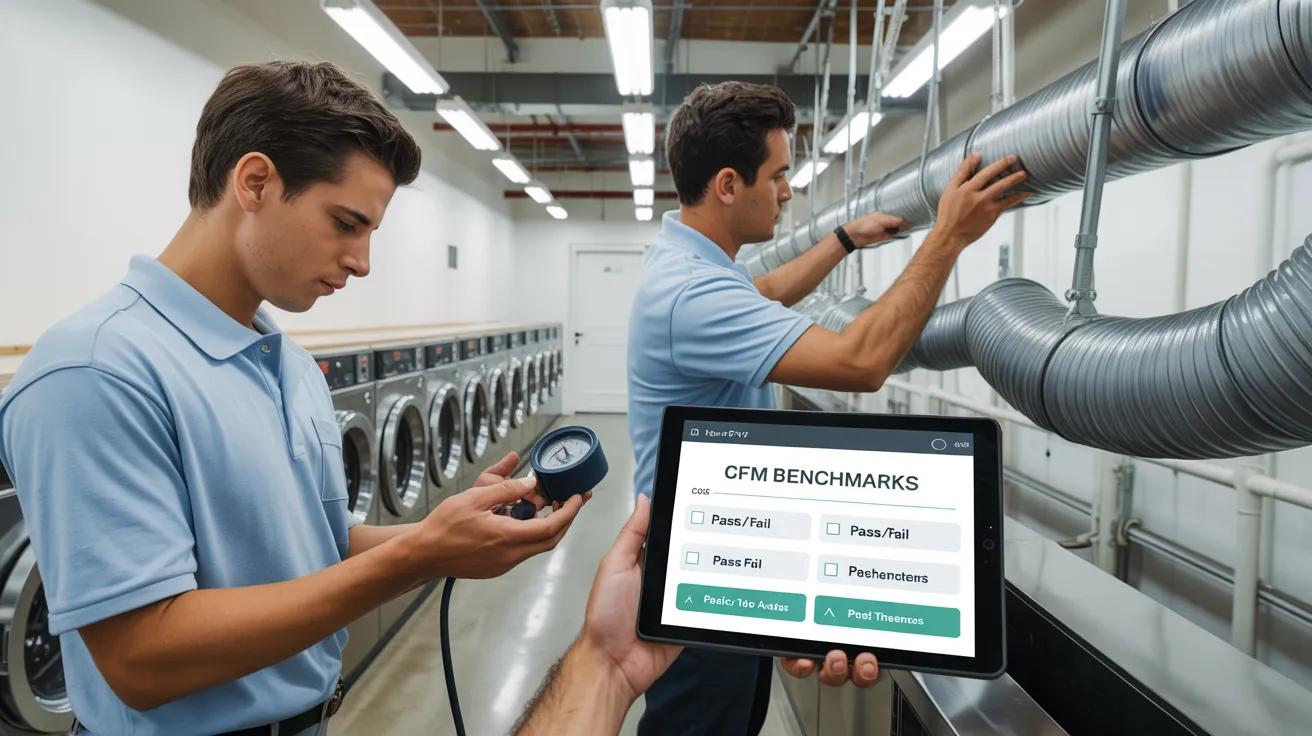
- Comprehensive diagnostic verification including static pressure readings, airflow analysis, thermal performance testing, and amperage monitoring; complete with before and after photos and detailed test results.
- Immediate attention needed for signs of trouble: long drying cycles, overheated appliance housings, strange smells, reduced exterior exhaust, or activated thermal fuses.
- Coastal-focused solutions that address humidity, condensation, and corrosion challenges; offering comprehensive care solutions for homes, condo associations, and business facilities.
Why Dryer Vent Cleaning is Essential in West Palm Beach
Since lint accumulation is a leading cause of residential fires, regular dryer vent cleaning in West Palm Beach is a crucial safety task that decreases fire hazard, enhances airflow, and ensures equipment compliance with manufacturer and NFPA 211/CSA C22.1 standards. You'll also safeguard wiring, terminations, and junction ducts from thermal strain and pressure buildup. By removing obstructions, you reestablish design static pressure, optimize exhaust velocity, and decrease cycle times, improving energy efficiency and maximizing motor life.
In regions with coastal and high-humidity climates, you need effective humidity management in your laundry space. Clean vents efficiently remove moisture-laden air, helping prevent condensation, mold growth, and metal duct corrosion. Professional duct cleaning services verify appropriate duct system standards, including properly constructed metal walls, properly sealed joints, and adequate vent termination spacing, while checking proper utility connections and vent damper performance. This guarantees reliable performance that meets safety codes all year long.
Key Indicators Your Dryer Vent Demands Immediate Action
When your dryer displays thermal stress, ventilation problems, or utility abnormalities, take these as serious indicators that demand quick action. If the unit's cabinet or door feels unusually hot, the exhaust duct could be obstructed. Prolonged drying times point to decreased CFM and static pressure problems throughout the vent run. Stale, damp smells points to dampness accumulation from insufficient airflow. Lint accumulation around the outdoor hood, backdraft damper stuck in position, or compromised duct work all signal flow restrictions.
Watch for diminished exhaust stream at the termination, an activated thermal fuse, or repeated cycling on the high‑limit thermostat. Scorch marks, rattling ducts, or rattling elbows point to poor support or fasteners. When you observe the gas burner short‑cycling or find erratic amperage, immediately shut down the unit and arrange a vent inspection.
Key Benefits: Fire Safety and Air Quality Standards
While a dryer may seem like a routine appliance, the venting system represents a major fire risk should lint collect or ventilation become compromised. You minimize ignition hazards by ensuring full duct diameter, fitting metal couplings, and installing regulation-compliant termination points. Sufficient air movement minimizes heat accumulation, enhances smoke prevention, and minimizes flammable lint deposits. Furthermore, you safeguard occupants from CO gas intrusion if gas dryers maintain proper ventilation and vent seals are maintained.
Properly maintained ducts boost air quality indoors. Optimal air filtration at the appliance and free-flowing exhaust support allergen reduction by capturing dust, pet dander, and contaminants instead of recirculating them. Controlled exhaust enhances humidity management, reducing moisture-related issues and wall cavity condensation. Shorter cycles lead to reduced thermal stress, prolonging fabric durability. Following NFPA 211/54 clearances and UL-listed components ensures performance and health.
Our Trusted Dryer Vent Cleaning Method
You start with a comprehensive code-compliant inspection and assessment to detect ventilation obstructions, duct damage, and exhaust issues. We proceed with systematic cleaning of lint and debris utilizing agitation techniques and negative-pressure systems to prevent dispersal. Lastly, we confirm results with calibrated airflow testing and certify that exhaust function meets manufacturer and local code specifications.
Inspection and Assessment
Before any work begins, our technicians conduct a detailed inspection and code-based evaluation to establish baseline conditions and identify potential hazards. We start with a visual inspection of the connection hose, vent pathway, termination cap, and distances to ensure UL-listed components, proper routing, and properly fastened connections. We validate duct type, length, and equivalent elbows in accordance with manufacturer specifications and Florida Building Code regulations.
We measure airflow, static pressure, and backdraft damper operation to flag blockages or incorrect termination. We perform moisture analysis at the lint trap, connection points, and exterior cap to spot condensation issues or damaged ductwork. We examine gas dryer combustion air supply, exhaust clearances, and electrical grounding. We'll provide detailed findings, safety priorities, and code-compliant solutions before continuing with repairs.
Cleaning Lint and Debris
After documenting baseline conditions, we proceed directly into lint and debris removal using approaches customized to your dryer vent's characteristics. We initially isolate power, safeguard the appliance, and set up high-efficiency HEPA vacuum to establish negative pressure. You'll observe us use mechanical brush systems or air-whip agitation matched to the duct diameter, safely dislodging compacted dryer lint and vent debris without stressing connections or flex ducting.
We proceed from the termination point to the appliance, meticulously clearing connectors, seams, and elbows, then vacuuming with antistatic equipment to prevent debris re-entrainment. We carefully bag and document the cleaned material for your documentation. We thoroughly clean the hood, bird screen, and damper, ensuring proper operation. In conclusion, we verify and adjust the clamps, verify set screws, and upgrade all nonconforming junction materials with UL-2158A certified components.
Airflow Testing Verification
Verify performance using instrumented airflow analysis. After clearing away debris, you must check system performance by employing calibrated testing equipment including manometers, hygrometers, and anemometers. Establish baseline metrics at the exterior vent with the dryer running and properly connected on a timed cycle. Measure and document duct static pressure, velocity, and volumetric flow. Evaluate these measurements against OEM specifications and ACCA/ASHRAE guidelines to ensure safe performance.
Conduct pressure analysis along key locations such as connector hose, appliance collar, exterior hood, and inline fittings. Locate abnormal pressure decreases that point to residual blockage, crushed flex, or backdraft damper failure. Verify that exhaust velocity properly clears lint without exceeding prescribed standards for flex duct.
Record temperature and humidity measurements to provide context for performance results. Should targets fall short, provide necessary corrective actions. Finish up by incorporating testing information to service records for future reference and compliance requirements.
Cutting-Edge Tools and Solutions We Implement
Although every home is different, we deploy a standardized equipment to completely clean vents and meet code. You get a documented approach that emphasizes fire safety and efficient airflow. We commence with mechanical assessment to map the full duct path, verify elbows, and detect constrictions without disturbing finishes. Following this, we implement thermal imaging to identify hidden heat irregularities revealing lint buildup, crushed flex, or loose joints.
Our team employs rotary-brush shafts matched to duct diameter, then capture particulates through HEPA-filtered negative pressure to prevent indoor re-entrainment. In code-compliant areas, we use adaptable whip attachments for fragile sections and nylon rods for solid metal sections. We measure motor amperage, verify backdraft damper performance, and secure joints applying UL-listed foil tape, not cloth duct tape, providing long-lasting, code-compliant outcomes.
Comprehensive Services for Residential and Business Properties
We deliver tailored residential solutions that align with duct length, material, and appliance specifications while meeting NFPA 211 and manufacturer requirements. For condominium units, we manage scheduling, record outcomes, and adhere to HOA bylaws and local fire code to ensure shared shafts and booster fans properly maintained. Businesses get professional maintenance programs with periodic cleaning, airflow monitoring, and detailed reports to fulfill OSHA standards and AHJ reviews.
Specialized Home Solutions
Designed particularly for diverse living settings, our specialized residential dryer vent services address the specific building standards, airflow considerations, and access challenges present in various residential properties including houses, condominiums, and townhouses. We begin with an extensive assessment aligned with NFPA 211 and IRC standards, measuring system components including ducts, elbows, termination points, and materials. Then, we remove lint and blockages using professional rotary brushing and HEPA-contained negative pressure to return to design CFM and static pressure targets.
We optimize energy efficiency by checking vent run geometry, addressing crushed flex, securing joints with UL-listed foil tape, and adjusting proper backdraft damper tension. We provide documentation: pre/post airflow, amp draw, temperature rise, and photos. Given West Palm Beach humidity, we recommend seasonal scheduling before peak dryer use, guaranteeing optimal safety, accelerated drying, and minimal system wear.
Condominium Association Guidelines
Due to multi-unit properties concentrate risk, our HOA compliance system synchronizes dryer vent services with key safety codes like NFPA 211, National Electric Code, and IRC/IMC, plus your insurance specifications and association bylaws. We establish uniform scope, access protocols, and documentation so you meet HOA regulations without disrupting residents.
We begin with safety evaluations of ventilation shafts and internal duct systems, verifying construction materials, duct length, endpoints, damper mechanisms, and air replacement. You'll receive deficiency lists prioritized by hazard, photo evidence, and corrective action plans. Our experts remove blockages, eliminate unauthorized flexible ducting, apply certified sealants to connections, and establish maintenance schedules relative to building capacity and debris levels.
Our system timestamps every report, keep comprehensive unit activity logs, and deliver comprehensive service verification for insurers, boards, and fire inspectors.
Commercial Maintenance Services
As fire danger grows with lint accumulation and usage time, our professional maintenance programs standardize dryer vent upkeep for residential and commercial properties under the same code-compliant framework. You'll get NFPA 211/54-aligned evaluations, ventilation testing, and documented cleaning timeframes matched to usage patterns and occupancy.
We establish maintenance agreements that define maintenance schedules and response commitments, ensuring you avoid unexpected outages and violations. Our experienced technicians inspect proper duct materials, endpoints, and backdraft damper function, then evaluate system pressure and air speed to verify design performance. We remove blockages, reseal joints, balance multi-unit risers, and upgrade unsafe flex with rigid metal where required.
You can expect chronological reports, pre and post readings, and remediation documentation-vital proof for insurance purposes, regulatory evaluations, and board audits.
When to Schedule Your Dryer Vent Maintenance
You should to book professional dryer vent cleaning every 12 months, or more frequently if you use your dryer extensively (multiple loads daily), your vent configuration is complicated, or you observe red flags like clothes taking longer to dry, excessive lint, or a burnt odor. In West Palm Beach's humid climate, lint tends to collect moisture, cling to duct walls, and limit air circulation more rapidly, so remember to follow annual maintenance guidelines. Schedule based on usage patterns: quarterly for high-volume users or large homes; semiannual for moderate users; annual for minimal use.
Configure routine inspection alerts at the onset of dryer season and hurricane season to evaluate air circulation, termination flapper functionality, and UL-2158A transition duct condition. Be sure to check external ventilation gaps, bird guard status, and ensure that airflow meets specified airflow standards and regional regulations.
Pricing Overview and Service Details
You've set your service interval; now understand exactly what you're paying for. We provide upfront estimates before any work begins, with specifications determined by vent length, roof or wall termination, and code compliance factors. We detail automated cleaning methods, contained HEPA extraction, fan system evaluation, air volume measurement (pre/post CFM), and termination cap cleaning. When necessary, we document bird-guard replacement and approved connector modifications.
Choose flat rate pricing for basic single-run setups, or select comprehensive bundles featuring airflow balancing, cleaning, and lint alarm setup. We record everything with static pressure measurements, photos, and NFPA 211/IMC compliance documentation. Our comprehensive invoices specify labor, materials, access fees, and any roof-safety surcharge. Zero hidden charges - any get more info extra services (rerouting, repairs, or remediation) demands your written authorization before we proceed.
Customer Reviews and Local Success Stories
Because results speak louder than promises, our customers showcase concrete results: improved drying efficiency, documented CFM gains, and post-clean static pressure returning to code-acceptable ranges. In Client feedback, you'll find measured results: 30-50% faster cycles, booster fans rebalanced to manufacturer specs, and lint loads reduced to safe thresholds. You gain through NFPA 211-compliant techniques, UL-approved materials, and proven flow rate increases.
We've achieved significant progress with apartment complexes in West Palm Beach clearing HOA safety assessments after addressing crushed flex runs and incorrect terminations. Professional evaluators note significantly fewer dryer-fire hazards where we've optimized airflow restrictions and reestablished backdraft damper function. You'll receive before/after meter readings, images, and recommended intervals. This clear documentation assists you with filtration updates, track energy consumption, and ensure code compliance.
Frequently Asked Questions
Do Your Technicians Have Licenses, Insurance, and Background Checks?
Indeed. Our team includes qualified technicians who adhere to state and local codes, hold current certifications, and follow manufacturer specifications. We hold full liability and workers' compensation insurance for your security. We perform thorough background checks and regular safety training, including lockout/tagout, confined space awareness, and NFPA 211/IMC compliance. We log procedures, check clearances, and assess airflow and termination integrity. You can expect detailed reporting, controlled access for keys, and image-verified results.
Can I Get Emergency or Same-Day Dryer Vent Service?
Yes, we accommodate immediate dryer vent assistance. We give priority to hazardous situations, airflow obstructions, and dryer overheating with urgent appointments and same day pickups. You'll receive a NFPA 211/IRC-compliant evaluation, system diagnostics, and lint removal to industry standards. We inspect metal ducting, proper termination, and safety distances, and record results. We'll supply comprehensive reporting, image evidence, and improvement suggestions, with workmanship warrantied and final testing.
Can You Service Rooftop or Hard-To-Reach Exhaust Terminations?
Yes, we maintain elevated and challenging ventilation endpoints. You get technicians qualified in rooftop access, fall protection, and confined-space practices. We deploy OSHA-compliant safety equipment and secure anchoring systems. We verify termination caps, backdraft dampers, bird guards, and spacing. We apply rotary brushing, HEPA vacuums, and camera inspections to maintain full airflow. You'll obtain detailed compliance records, imaging, and performance data. If needed, we replace damaged caps and secure penetrations to factory specifications.
Will My Dryer's Warranty Be Affected by Cleaning?
Your dryer's warranty remains valid with proper cleaning service. Consider this scenario: with regular professional maintenance, the technician removes lint buildup, restores proper airflow, ensures normal operating temperatures, and documents the service according to code. Such records strengthen warranty coverage by showing responsible maintenance practices. Select licensed professionals who comply with NFPA 211 requirements and manufacturer guidelines, don't allow improper dismantling, and ensure detailed documentation with photos and receipts. If existing damage is found, technicians will document it before servicing to protect your warranty coverage.
Will You Supply Before-And-After Reports on Airflow and Lint Volume?
Absolutely. You receive comprehensive airflow measurements and a thorough lint assessment following our service. We measure pre- and post-cleaning airflow rates (CFM) using specialized testing devices and document static pressure changes. When examining lint, we calculate mass and quantity, identify combustible buildup, and capture images of findings. Our analysis details vent path conditions, code-compliance observations, and safety guidelines. We provide clear, documented improvement data to support maintenance planning and documentation for insurance and property management.
To Sum Up
Your commitment to safety, efficiency, and code compliance matches ours - and so do we. Dryer lint is highly combustible; the U.S. Fire Administration documents nearly 2,900 dryer fires each year, with the majority originating in clogged vents. Consider a vent stuffed like a felt blanket reducing airflow and leading to dangerous temperature increases. Regular maintenance will reduce fire risk, enhance IAQ, and comply with manufacturer and NFPA 211 standards. Make sure to schedule routine service, document findings, and verify airflow and termination. You'll be able to protect your property, decrease energy usage, and maintain your system meets specifications.